
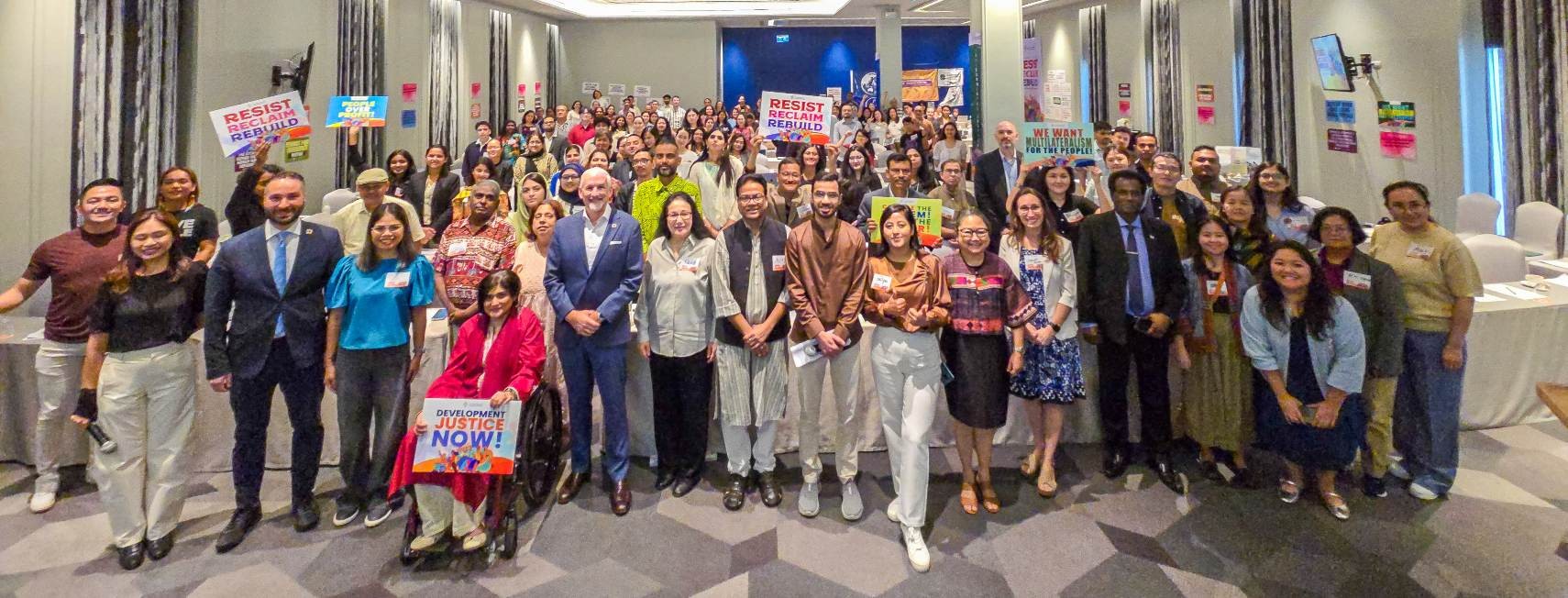
APPFSD also known as Peoples Forum, is a counter space organized by the Asia Pacific Regional CSOs Engagement Mechanism (APRCEM) since 2014. It takes place immediately before the Asia Pacific Forum on Sustainable Development organized by UN ESCAP. However, it also serves as an engagement and capacity building space for CSOs, youth and women’s organizations as well as peoples movements who want to engage at the national, regional and global levels on issues related to sustainability, human rights and development.
This year, more than 130 participants from more than 25 countries participated in the Asia Pacific Peoples Forum on Sustainable development (Tinidee Trendy Hotel, Bangkok) under the theme Resist; Reclaim; Rebuild. The welcome remark was delivered by Ms. Joy Hernandez (Workers & Trade Unions) emphasizing the relevance of Development Justice and why this call remains critical as ever. Mr. Shombi Sharp Deputy Executive Secretary, ESCAP delivered the opening remarks where he highlighted challenges face in the implementation of the SDGs and invited all the CSOs to be part of the APFSD conversations, and drive the whole of the society approach. The key note delivered by Ajay K Jha (Farmers constituency) underlined that the SDGs and Agenda 2030 has been designed in a way, which aims to preserve the status quo and conveniently side steps the systemic issue and structural barriers which can transform economy, ecology and society.
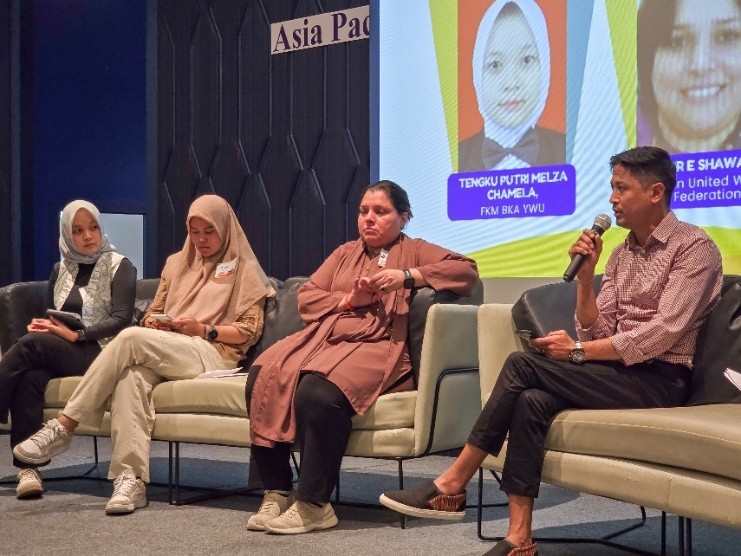 Mr. Dayyan Shayani (Statistics division, ESCAP) shared the highlights of the Asia pacific SDG progress Report 2026, which was released just a couple of days before. He underlined that the region is not on track to achieve any of the SDGs, an alarming pattern of regression in the environmental sphere is undermining previous gains, the promise of leave no one behind is faltering; however, progress on SDG 9 and SDG 3 can be seen as the silver lining. The presentation from ESCAP was followed by a “grounding development in peoples lived realities” where grassroots leaders juxtaposed the statistical presentation with how SDGs are being implemented or stalled at ground level. These grassroots leaders also shared their experience, their challenges and what collective efforts they are making to overcome strategic barriers. The session facilitated by Wali Haider, (Farmers Constituency) featured grassroots leaders from Workers & Trade Union, Women and Indigenous Peoples.
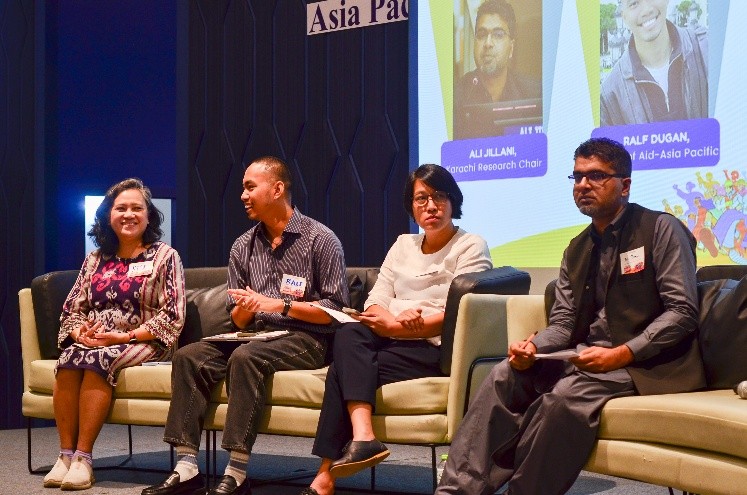 The next session titled “what’s kept off the agenda” tried to focus on the AI revolution and its fall out, gaps in the multilateralism & Implementation of the Pact for the Future, shortfalls in financing for development, militarism and war. These topics are generally not discussed in the UN Meetings. The session facilitator Ms. Sai Racherla (ARROW/Women’s Constituency) summarized “trajectory of development can be only truly understood when people have information on these dimensions of development and their input can influence of development discourse.”
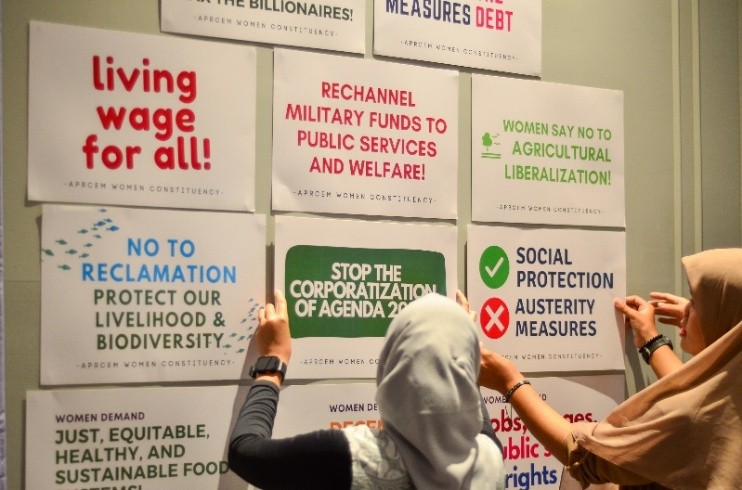 The following sessions “From targets to development justice; sub regional perspectives” and “from Targets to development justice; building peoples position on SDGs under review,” aimed at zooming in on the sub regional processes, and the collective Fact Sheets produced by the APRCEM which not only discussed the SDGs under review (SDG 6, 7, 9, 11 and Financing for development) but also on several cross cutting issues including (i) climate change, (ii) wars, conflict and militarization,(iii) corporate capture, (iv) SRHR, (v) marginalized identities, (vi) VNR & (vii) Multilateralism.
Day 1 ended with organizing thematic and sub-regional caucuses to provide input into the collective statement.
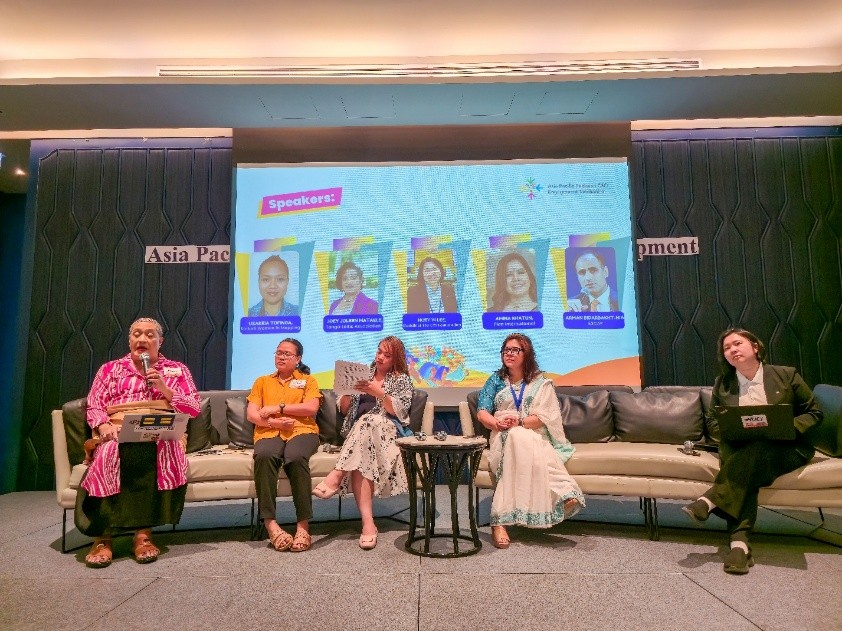 Day 2 began with the session on “Beyond VNRs; democratizing data and demanding accountability amidst the shrinking civic space” where participants from countries taking VNR in the HLPF 2026 (Tonga, Marshall Islands and Kiribati) as well as participants from countries having presented their VNR in recent year (Bangladesh & Malaysia) shared their reflections on and expectations from the VNRs. The speakers highlighted that Voluntary national Reviews are yet capital centric and far from becoming national or inclusive. They also demanded recognition to citizen/community/CSO generated data to supplement national statistical data and reflect better than law of averages. Mr. Arman Bidarbakht Nia (Statistics division, UNESCAP) underlined what safeguards and processes CSOs can adopt to make their data authentic, acceptable and more credible.
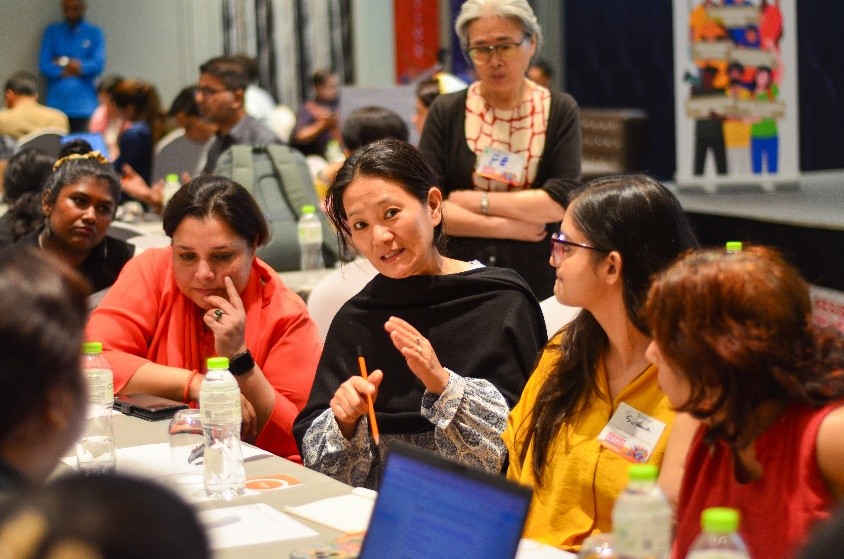 The session was followed by session on strengthening conceptual and operational underpinnings of the development justice where break out groups did a collective reflection. This was followed by a strategy session on interventions in the 13th APFSD and sharing the collective statement from the Peoples Forum for further inputs. The “townhall” invited participants (almost half were participating the Peoples Forum for the first time) feedback, comments, grievances and suggestions to further improve the Forum. the Forum came to an end with an solidarity hour, where approx. 20 participants pitched their campaigns, struggles, programmes and sought solidarity from the rest of the participants.
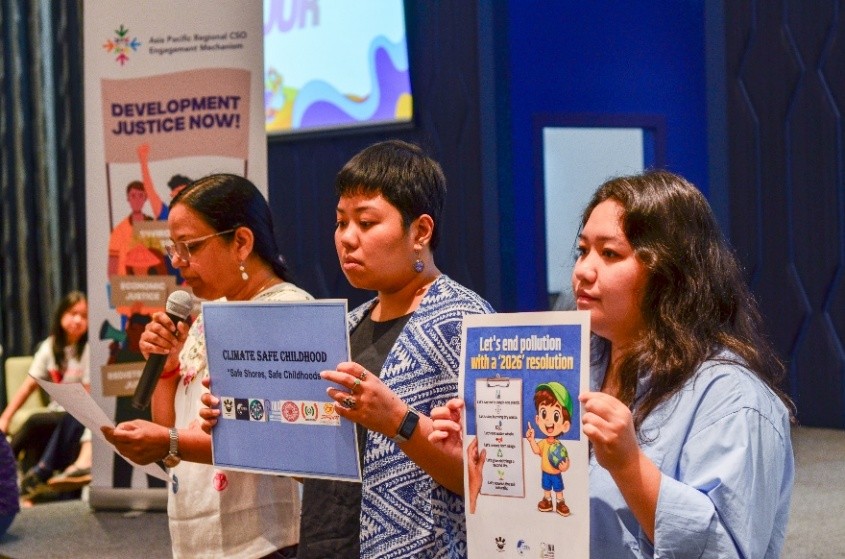 The outcome of the Peoples Forum is the Collective Statement and Factsheets adopted by all the participants, which is the main source for designing their interventions during the APFSD.
As previous years, the Youth Forum was held preceding the Peoples Forum and approx. 30 participants from the Youth Forum also participated in the Peoples Forum. More than 100 CSO representatives participated on self-sponsorship, while a small number (around 24) including the APFSD and Peoples Forum speakers were provided financial support from the organizers/APRCEM through variety of funding including UNESCAP.